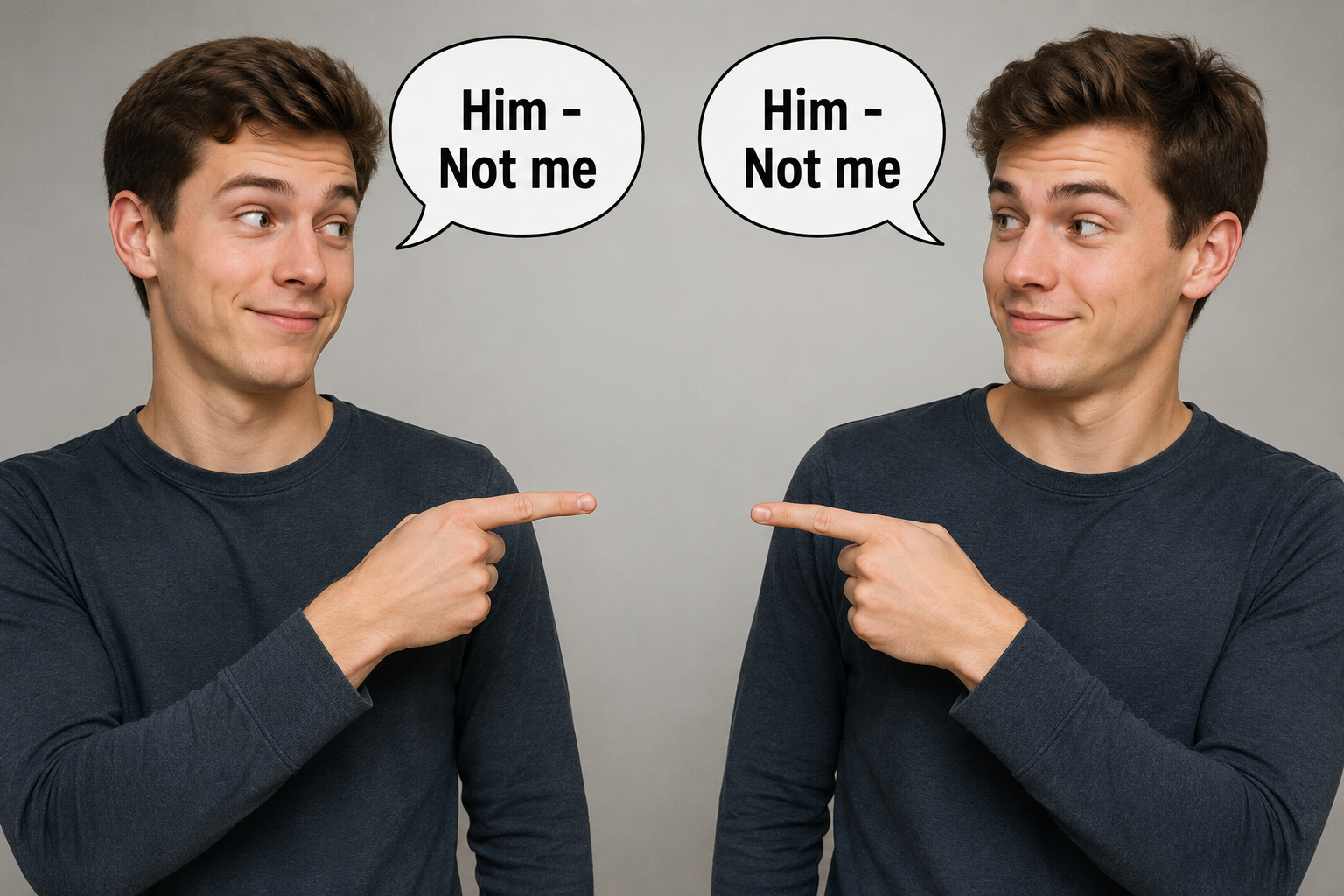
8th Circuit Protects CRAs from "Twin Brother" Factual Inaccuracies Under Section 607(b)
The U.S. Court of Appeals for the 8th Circuit has affirmed a summary judgment ruling in favor of a consumer reporting agency (CRA), establishing that relying on matching official court records constitutes "reasonable procedures" under the FCRA—even when it results in a twin brother's record surfacing on an applicant's report.
The Core Dispute
In Fraase v. Advantage Credit Bureau, a plaintiff alleged that a CRA violated 15 U.S.C. § 1681e(b) by failing to maintain reasonable procedures to ensure "maximum possible accuracy". The dispute arose after the CRA searched the North Dakota Courts’ website using the plaintiff’s exact full name and date of birth. The electronic lookup returned a speeding conviction that actually belonged to the plaintiff's twin brother.
The plaintiff argued that the CRA should have caught the mismatch because of facial discrepancies, such as differing driver’s license numbers between the report's criminal search and its clean motor vehicle record section. He further argued that the CRA should have cross-verified the boilerplate disclaimers on the court site and implemented specialized workflows for twins or similar names.
The Court’s Ruling
The 8th Circuit flatly rejected the plaintiff’s claims, solidifying several key defense protections for background screeners:
- Reputable Source Reliance: The court ruled that the CRA was perfectly reasonable in relying on the North Dakota Courts’ portal as a reputable primary source. A CRA cannot be held liable for reporting inaccurate data from an inherently reputable government database unless it has prior notice of systemic problems with that source.
- The Court's Core File Setup: A review of the underlying records revealed that the local court system itself had grouped the two brothers under a single "case jacket" and explicitly listed them as aliases of one another.
- No Duty to Go "Beyond the Face" of Records: The court noted that the FCRA is not a strict liability statute. Because the plaintiff could not prove the CRA actually knew he had a twin, forcing the agency to routinely investigate beyond the face of official court filings would create an undue operational burden, substantially driving up the cost of commercial reporting services.
The Operational Takeaway
This decision serves as an essential shield for CRAs facing section 607(b) claims. As long as a screening firm executes exact name-and-DOB matching against an official government repository, standard facial discrepancies between distinct report sections or boilerplate website disclaimers do not legally trigger a duty to investigate further, absent clear notice of a mixed file or systemic court error.