By Staff Writer
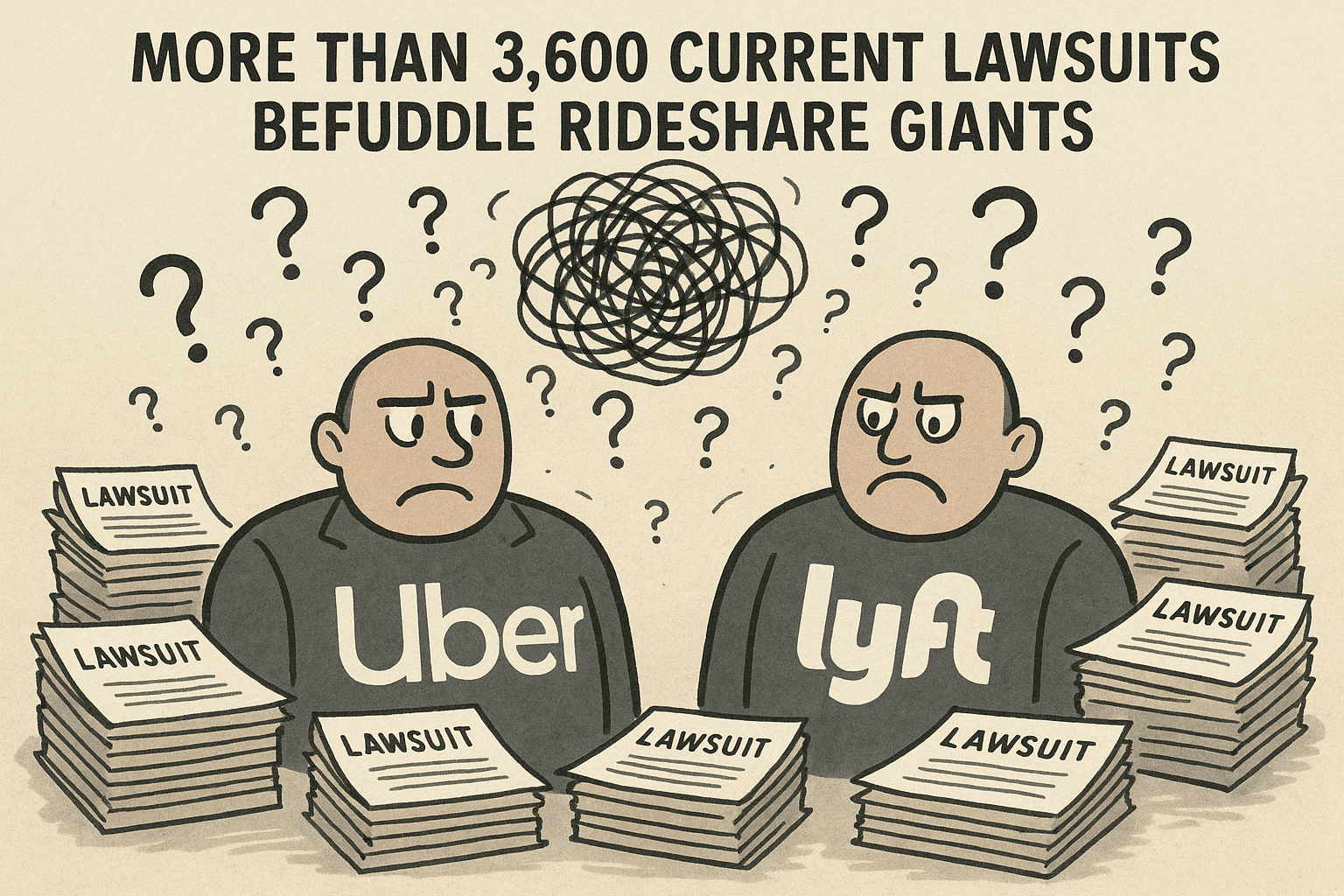
The multi-billion-dollar rideshare economy is facing a massive legal reckoning that could fundamentally shift how the gig economy, on-demand platforms, and corporate employers approach background checks. What began as a wave of isolated complaints has exploded into massive, consolidated litigations targeting the onboarding pipelines of the industry’s two dominant giants, Uber and Lyft.
For consumer reporting agencies (CRAs) and background screening professionals, the core of these lawsuits isn't just the actions of the drivers—it is a direct indictment of automated, low-friction, digital-only background screening.
The Core Gaps Under Fire
According to master complaints filed across both state and federal courts, plaintiffs argue that the platforms prioritized rapid, low-overhead corporate growth at the expense of safety. The lawsuits specifically target five major operational gaps in the standard rideshare onboarding pipeline:
- Zero Human Interface: Applicants are onboarded via standard online forms. There are no mandatory interviews—either in person or via video platforms like Zoom or Teams.
- Minimal Data Point Validation: Onboarding relies on restricted, self-reported personal data fields.
- The Biometric Absence: The screening processes do not utilize fingerprint-based verification or access the FBI database, relying instead entirely on standard commercial database products.
- No Physical Screening: Platforms bypass routine drug and alcohol screenings.
By bypassing these layers, plaintiffs argue, the platforms created a highly vulnerable environment where bad actors can easily exploit fragmented registries or slip between systems undetected.
Uber Docket: Landmark Verdicts and Mixed Signals
The litigation against Uber is the most mature, providing screeners with a clear look at how juries view these screening gaps. Cases have been consolidated into a federal Multidistrict Litigation (MDL 3084) alongside massive coordinated state court actions in California.
- The Volume: The federal MDL alone holds 3,427 pending cases, with an additional 778 cases active in the parallel California state court dockets.
- The $8.5 Million Shift: While Uber successfully secured a defense verdict in an early California state trial in late 2025—where a jury found the company negligent but ruled it wasn't the direct cause of the specific incident—the tides turned drastically in early 2026. An Arizona federal jury ordered Uber to pay a landmark $8.5 million verdict to a passenger, sending a clear message regarding the financial liability of systemic screening failures. A third trial in April 2026 resulted in a minor $5,000 plaintiff award, highlighting just how unpredictable juries can be when evaluating these complex negligence arguments.
Because the bellwether trial results are mixed, a global settlement remains off the table for now as both sides test their leverage.
Lyft Docket: The Coordinated Surge
Lyft’s legal exposure is escalating rapidly on a parallel track, though its federal consolidation timeline lags slightly behind Uber's.
- The Volume: Lyft cases were centralized into a federal MDL in early 2026, which currently holds 54 cases but is growing quickly. More significantly, nearly 2,000 lawsuits have been quietly consolidated over the last few years in California state courts.
- The Critical Horizon: To date, no Lyft case has gone before a jury. That will change in September 2026, when the very first California state trial is scheduled to begin. The industry will be watching this verdict closely, as it will establish the baseline settlement leverage for Lyft’s entire pipeline of cases.
The Takeaway for the Screening Industry
This litigation highlights a critical reality for background screening professionals: compliance isn't just about passing a baseline check; it’s about defending the integrity of the process in a court of law.
When a multi-million dollar lawsuit hits, pointing to a cheap, instant database sweep that missed a bad actor is no longer a viable corporate shield. This litigation is driving a massive industry push toward Identity Verification (IDV) at the very beginning of the screening funnel and forcing platforms to reconsider biometric authentication, continuous monitoring, and human-assisted verification layers to protect against existential corporate liability.