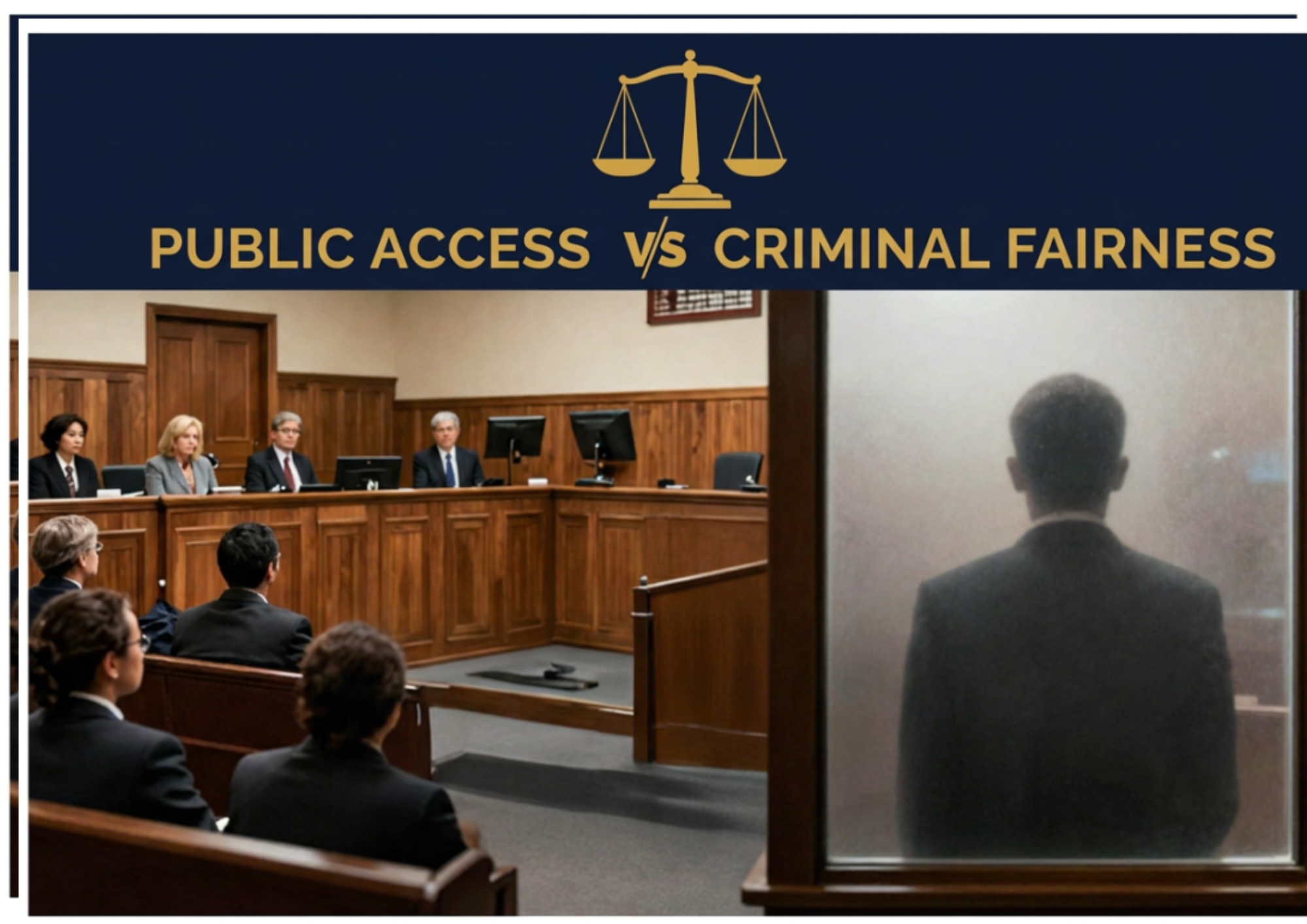
A significant conflict has emerged between the UK’s aggressive new open-justice framework and the preservation of fair criminal trials. In Various Claimants v Entain plc [2026] EWHC 1511 (Comm), the London Commercial Court issued its first crucial guidance on how it will balance mandatory public filing rules against the risk of compromising parallel criminal prosecutions.
For international due diligence professionals, corporate investigators, and litigation support specialists, this ruling outlines the precise boundaries of court record transparency in the UK legal landscape.
The PD 51ZH Pilot: A Windfall for Public Access
Effective January 1, 2026, the Commercial Court and London Circuit Commercial Court launched a two-year pilot scheme under Practice Direction 51ZH (PD 51ZH), fundamentally expanding non-party access to civil court documents.
- The Old Rule: Historically, non-parties had automatic access only to limited statements of case, orders, and judgments. Reviewing vital components like skeleton arguments or witness statements required a formal application and explicit court permission.
- The New Standard: Under the pilot, parties are required to file key "Public Domain Documents" within prescribed periods following interim hearings and trials. This includes skeleton arguments, written opening and closing submissions, witness statements, and expert reports.
While this pilot marks a deliberate policy shift toward systemic transparency, accountability, and a more accessible public record, it has created immediate friction when civil claims overlap with active criminal investigations.
The Entain Precedent: The Risk of Civil Data Leakage
The collision occurred during high-stakes shareholder litigation against gaming giant Entain Plc under the Financial Services and Markets Act 2000. Shareholders alleged that Entain made misleading statements and omitted material information regarding historical misconduct and a failure to prevent bribery.
Crucially, the Crown Prosecution Service (CPS) has scheduled parallel criminal trials starting in early 2028 for several individuals connected to the case. Fearing that the mandatory public availability of civil witness statements and expert reports would prematurely enter the public domain and pollute the jury pool or prejudice those criminal trials, the CPS intervened, applying for a Filing Modification Order (FMO).
The Ruling: How Courts Will Restrict Access
Paragraph 13 of PD 51ZH gives judges broad discretion to issue FMOs to waive filing obligations, permit redactions, or prevent non-parties from obtaining copies. Relying on the landmark Supreme Court authority Dring v Cape Intermediate Holdings Ltd [2019], Trower J established a clear benchmark for the industry:
Where third-party access creates a material risk that information will prejudice the fair conduct of criminal proceedings, that factor will weigh heavily in favor of restricting access.
The "Placeholder" Practical Solution
The court recognized a distinct logistical challenge: civil litigants are poorly equipped to know exactly which details might damage an ongoing criminal prosecution, and the CPS cannot act as an ongoing gatekeeper to review thousands of pages of civil redactions.
Consequently, Trower J bypassed standard redactions and issued an FMO waiving the filing requirement entirely. Instead, the court mandated a placeholder entry on the public CE-File system for each withheld document. This placeholder must identify:
- The nature and date of the document.
- The hearing at which it was deployed.
- The filing party.
- An explicit reference to the right of non-parties to apply for special access under paragraph 19 of the PD.
BKI Operational Takeaway
For background investigators and record retrievers, the Entain decision serves as an essential compliance guide. While PD 51ZH significantly opens up access to deep-dive litigation assets like expert reports and witness statements in standard commercial cases, any matter overlapping with regulatory enforcement or criminal prosecutions will likely be heavily guarded.
When conducting international due diligence on corporate entities facing parallel litigation, researchers should look out for these digital CE-File placeholders. Securing that data will no longer be an automatic retrieval process; it will require navigating a formal paragraph 19 application and demonstrating that the public interest in open justice outweighs the risk of criminal prejudice.
Given that this placeholder strategy sets a precedent for masking civil documents when parallel criminal actions exist, do you think this will drive corporate defendants to actively encourage regulatory or criminal interventions as a tactical shield against public exposure in high-profile civil trials?