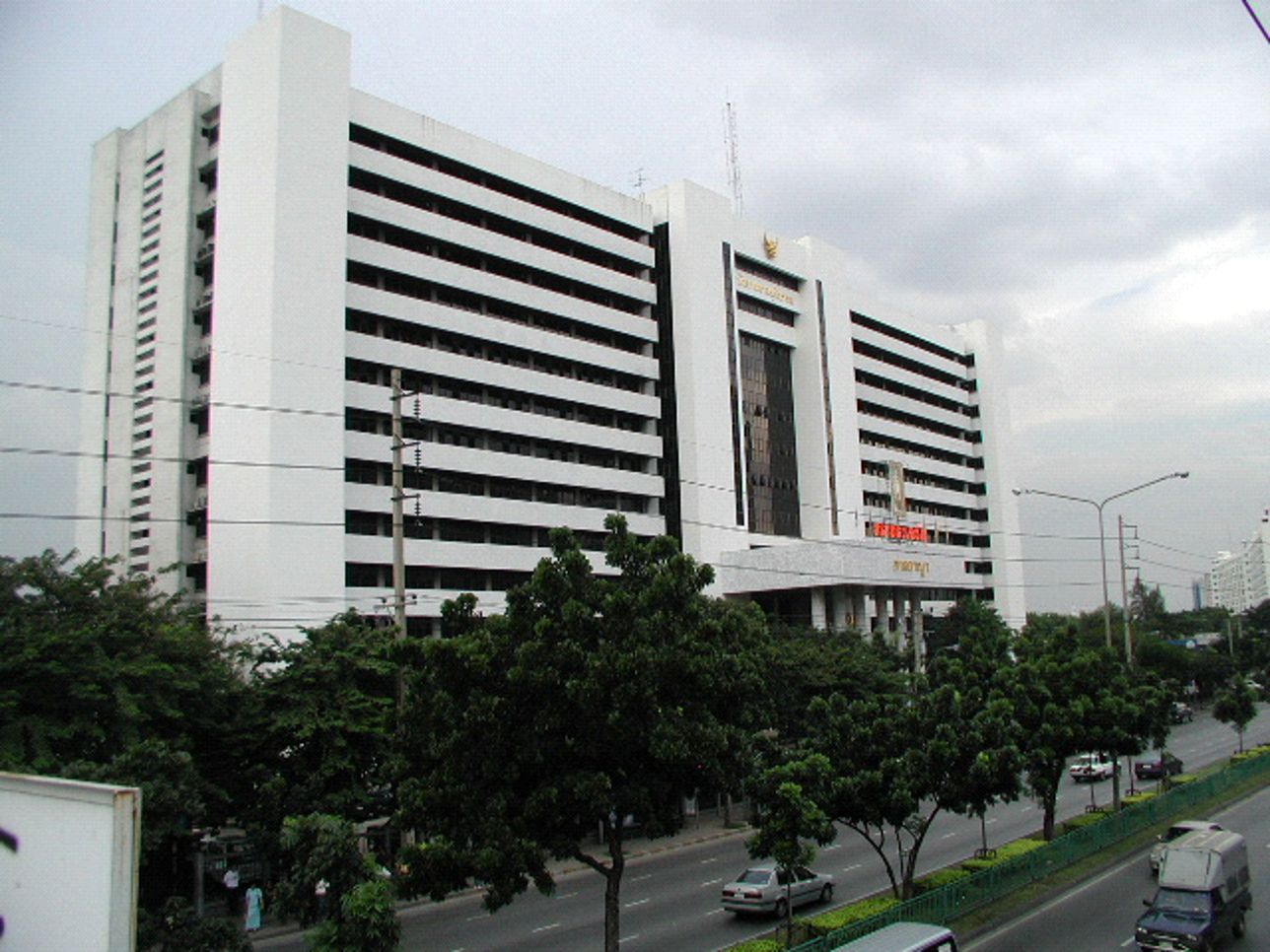
For background screeners seeking reliable, timely, and legally sound criminal history data in Thailand, direct court searches present distinct advantages over central police clearances
Thailand Tightens Central Police Clearance Rules for Foreigners
By The Background Investigator
A recent policy shift from Thailand’s Criminal Records Division (Royal Thai Police) has fundamentally disrupted how foreign national record checks are processed through executive law enforcement channels. Effective July 2026, the Royal Thai Police announced that criminal record checks for non-Thai nationals will no longer be conducted using full name searches alone. Instead, central police checks across nine key categories—including police clearance certificates for travel, residence, and employment—must now be executed via ten-print biometrics (physical fingerprint cards) accompanied by a formal agency request letter.
For international background screeners, consumer reporting agencies (CRAs), and global record retrievers, this rule change highlights a long-standing operational reality: centralized police database checks are becoming increasingly slow and cumbersome, making direct judicial court record searches the premier standard for foreign background screening in Thailand.
The Police Clearance Bottleneck
The Royal Thai Police's mandate requiring fingerprint-backed searches stems from an effort to eliminate identity ambiguity caused by name variations, transliteration errors between English and Thai script, and common foreign naming conventions.
While biometric verification improves identity matching within executive law enforcement files, it creates massive operational hurdles for background screening providers:
- Severe Turnaround Time (TAT) Delays: A process that previously allowed name-and-passport checks now requires physical fingerprint logistics. Foreign subjects living outside Thailand must obtain certified ink prints (e.g., FBI FD-258 cards) from local law enforcement or Thai embassies, post them to Bangkok, and await centralized manual processing—pushing turnaround times from days to weeks.
- Strict Administrative Requirements: The Criminal Records Division now mandates an official institutional request letter detailing the purpose of the search. Submissions with improper documentation, smudged fingerprint impressions, or incorrect fee categories are rejected outright with non-refundable fees.
- Logistical Friction for Remote Candidates: Former foreign residents who have left Thailand face significant hurdles in completing mandatory biometric collection, often leading to abandoned background checks or delayed onboarding schedules.
Why the Primary Judicial Court Search Is the Obvious Choice
It is critical to distinguish between the executive branch (Royal Thai Police) and the judicial branch (The Office of the Judiciary / Local Provincial Courts).
The new fingerprint mandate applies strictly to the Royal Thai Police's central law enforcement clearance system. It does not alter or restrict direct court record retrieval at local judicial registries.
For background screeners seeking reliable, timely, and legally sound criminal history data in Thailand, direct court searches present distinct advantages over central police clearances:
1. Direct Searchability via Identifiers (No Biometric Bottlenecks)
Unlike the central police repository, local trial courts (such as the Bangkok South Criminal Court, Phuket Provincial Court, or Pattaya Provincial Court) maintain public dockets indexed by name (in English and Thai transliteration), date of birth, and passport number. Local court researchers can continue conducting primary-source index searches directly at court registries without requiring candidates to submit physical fingerprint cards.
2. Ground-Truth Conviction and Disposition Data
Under regulatory standards like the Fair Credit Reporting Act (FCRA), reporting an arrest from a police blotter without a final disposition exposes background screeners to significant legal liability. Central police files frequently contain arrest logs that lag in reflecting final court outcomes.
Primary trial court searches pull directly from official judicial files, providing ground-truth data on:
- Formal prosecutorial filings and formal charges
- Active trial calendars and pending dockets
- Final court verdicts, acquittals, and certified sentencing orders
3. Superior Turnaround Times
By bypassing the backlog at the Police Clearance Service Center in Bangkok, direct court searches executed through established local court research networks can be completed in a fraction of the time required for a biometric police certificate.
The Bottom Line
While the Royal Thai Police's biometric rule change complicates the pipeline for central police clearance certificates, it reinforces the necessity of localized court research. For background screeners looking to maintain fast turnaround times, FCRA-level disposition accuracy, and a frictionless candidate experience, direct primary-source court searches remain the most efficient, accessible, and reliable methodology for screening foreign nationals with a history in Thailand.