In the United States, a Zip Code is a wide net. It covers neighborhoods, towns, and thousands of residents. But in the United Kingdom, the postcode is a precision instrument.
For the international background investigator, understanding the "Inward" and "Outward" segments of a UK postcode is the difference between a verified address and a "No Match."
The Architecture of Accuracy
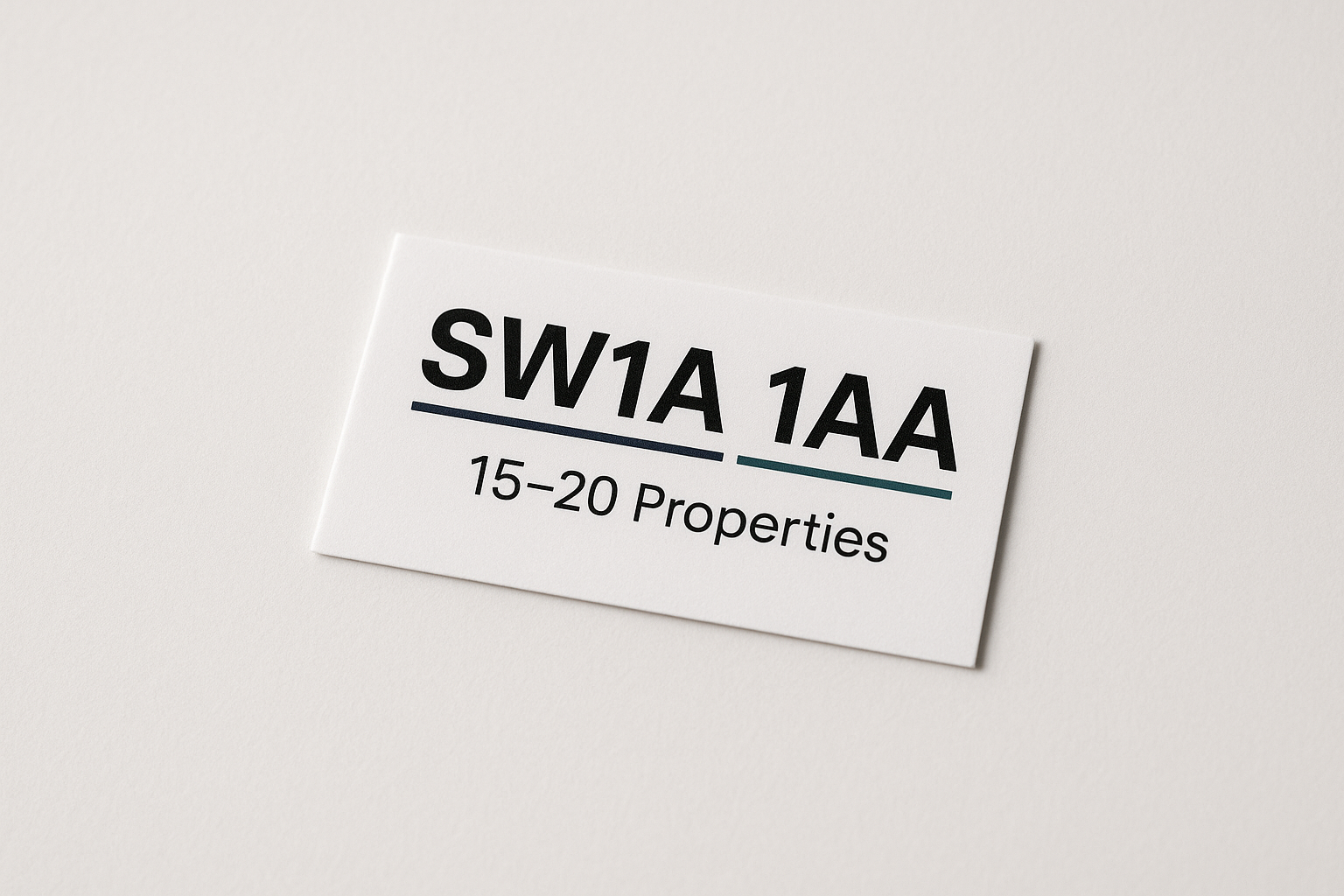
A UK postcode (e.g., SW1A 1AA) is split into two distinct parts:
- The Outward Code (SW1A): Identifies the general district or post town.
- The Inward Code (1AA): Identifies a specific "postcode unit."
A single postcode unit typically covers only 15 to 20 properties. In some cases, a high-volume business or a large apartment block may have its own unique postcode.
The "Straightline" to Verification
Because of this granularity, a unique address in the UK can be legally and logistically identified using only two data points:
- The Building Number (or Name)
- The Full Postcode
When these two elements are entered into the Royal Mail’s Postcode Address File (PAF), the street name and town are automatically validated.
The Investigator’s Takeaway
If a candidate provides a "partial" postcode (only the first 3 or 4 characters), the address is technically unverifiable. As investigators, our goal is to move past the "City and State" mindset and embrace the "Unit and Code" precision required for UK due diligence.